
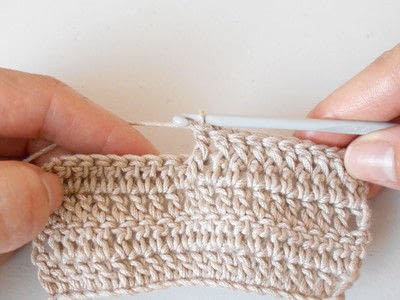

Crochet is more than just a craft, it’s a timeless art form that blends creativity, patience, and joy. With a simple hook and some yarn, you can create everything from tiny flowers to cozy blankets, fashionable clothing, and adorable toys. But crochet is not just about what you make; it’s about how you feel while making it.
Crochet is a method of creating fabric by interlocking loops of yarn using a crochet hook. Unlike knitting, which uses two needles, crochet only uses one hook. Each stitch is built one at a time, making it easy to control and perfect for beginners.
The word “crochet” comes from the French word croche, meaning “hook.” It has been practiced for centuries in different cultures, passed down through generations as a way to make useful and beautiful items by hand.
Crochet is more than just making things , it’s a relaxing and rewarding experience. As your hands move rhythmically through each loop, your mind slows down. Many people say crochet helps them feel calm, focused, and happy. It’s even known to reduce stress and improve mental health.
Children, adults, and even seniors can enjoy crochet. It’s a fun way to develop fine motor skills, practice patience, and boost creativity.
Crochet Hooks for Beginners: A Simple Guide
If you’re just getting started, one of the first tools you’ll need is a hook. This small, handy tool is essential for creating all kinds of projects, from cozy scarves to decorative items. But with different sizes, materials, and shapes available, choosing the right hook can feel a bit overwhelming. Don’t worry — here’s what you need to know.
🔹 What Is a Crochet Hook?
A hook is a tool used to loop yarn into stitches. It has a handle on one end and a hook on the other, which grabs the yarn and pulls it through loops to create fabric.
🔹 Parts of a Hook
-
Hook/Tip – The curved end that grabs the yarn.
-
Throat – The area that guides yarn into the working loop.
-
Shaft – The part that determines the size of your stitches.
-
Handle – The part you hold, which can be straight or ergonomic for comfort.
🔹 Hook Sizes
Hooks come in different sizes, usually labeled in:
-
Millimeters (mm) — the diameter of the shaft
-
Letter or number codes — used mainly in the U.S. (e.g., G-6 or H-8)
For beginners, a 5.0 mm (H-8) or 5.5 mm (I-9) hook is ideal. These sizes work well with medium-weight yarn (like worsted weight), which is easy to see and manage as you learn.
🔹 Hook Materials
Hooks are made from various materials, each with pros and cons:
-
Aluminum – Lightweight and smooth; yarn slides easily.
-
Plastic – Affordable and light, but may not be as durable.
-
Bamboo/Wood – Warm to the touch and eco-friendly; great for those who prefer more grip.
-
Steel – Very small hooks (used for lace/thread crochet); not for beginners.
Tip: Try a few types to see what feels best in your hand.
🔹 Ergonomic Hooks
Some crochet hooks have soft or shaped handles to reduce hand strain. These are a good choice if you plan to crochet often or have hand/wrist issues.
🔹 Beginner Tips
-
Start with a smooth yarn (avoid fuzzy or textured types at first).
-
Use light-colored yarn so you can see your stitches clearly.
-
Practice making simple stitches like chains and single crochet before jumping into complex patterns.
🔹 Where to Start
You can find beginner crochet hook sets at most craft stores or online. Look for a set that includes a few different sizes, so you can experiment and find your preference.
What Is Crochet Yarn?
Crochet yarn is the main material used in crocheting to create fabric by looping the yarn with a hook. It comes in different weights (thicknesses), fibers (materials), textures, and colors. The right yarn can make your crochet experience easier, more enjoyable, and your finished project look great.
🧵 How to Choose Yarn for Beginners
If you’re new to crocheting, the vast variety of yarns can be overwhelming. Here’s a simple breakdown to help you make the best choice:
1. Choose a Medium Weight Yarn (Worsted Weight / #4)
-
Why: It’s not too thin or too thick—just right for beginners.
-
Benefits: Easy to see your stitches, works up fairly quickly, and suits a wide range of projects.
-
Look For: “Worsted,” “Medium,” or a yarn labeled with a #4 symbol on the label.
2. Pick Smooth, Non-Fuzzy Yarn
-
Avoid textured yarns like boucle or eyelash yarn. They can make it hard to see your stitches.
-
Choose smooth yarn with a consistent thickness, like classic acrylic or cotton yarns.
3. Go With Light-Colored Yarn
-
Why: Dark yarns make it hard to see your stitches, especially if you’re just learning.
-
Soft neutrals, pastels, or light brights work great for visibility.
4. Start With Acrylic or Cotton
-
Acrylic: Inexpensive, widely available, and easy to care for. Great for practice.
-
Cotton: Durable and holds shape well. Good for dishcloths, coasters, or summer items.
5. Check the Yarn Label
The yarn label gives you important info:
-
Weight (like #4 for worsted)
-
Recommended hook size
-
Care instructions
-
Yardage/length
-
Dye lot
So pick up a hook, choose your favourite yarn, and start stitching. You might just fall in love with the rhythm of threads.